Unicef
One sign. Every child. Every language.
Let Us Learn is a UNICEF initiative launched in 2011 with private donors. It brings education to the children most at risk of being left behind, especially girls. It works in five very different countries, and UNICEF needed one idea that could speak for all of them. We gave it a sign.
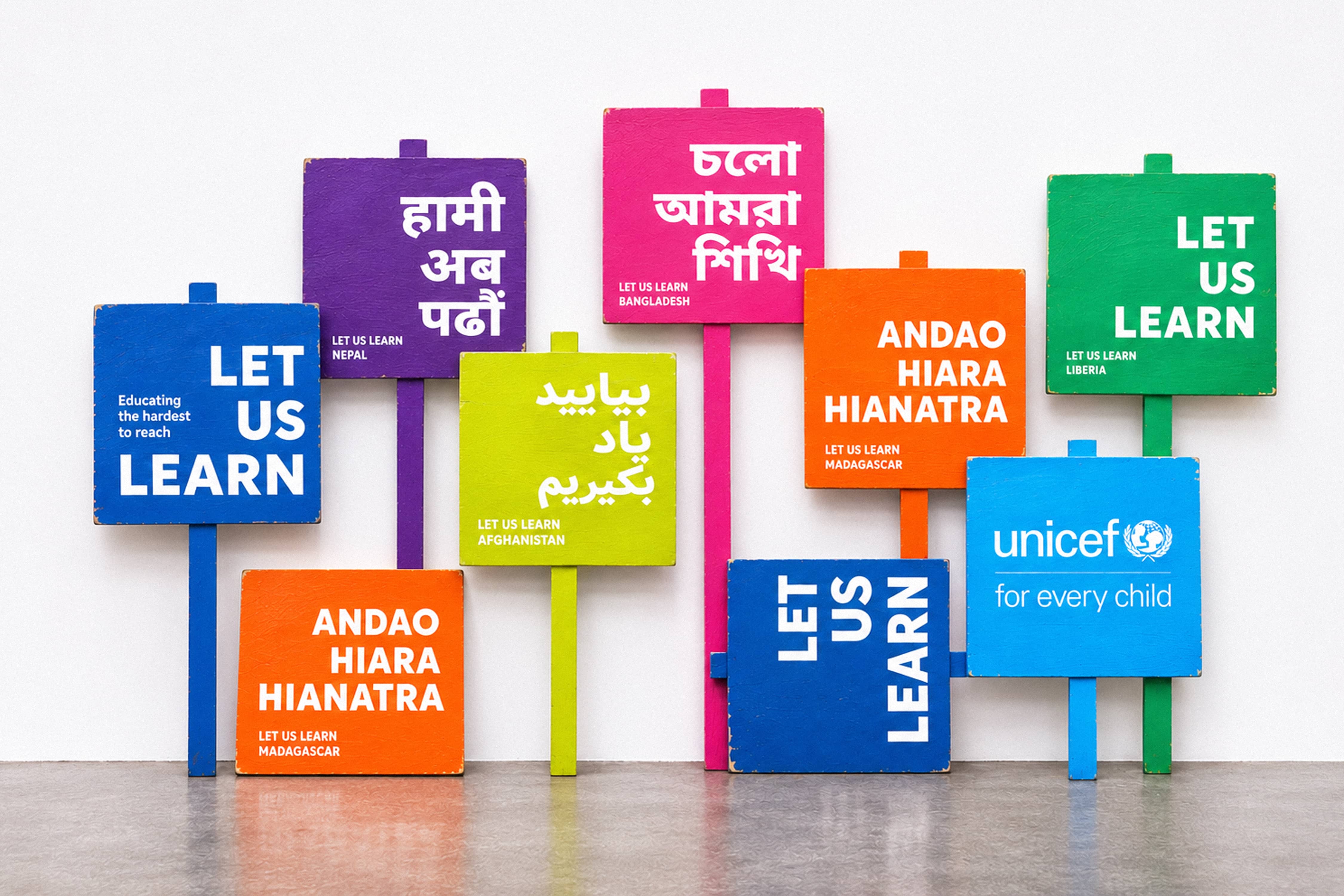
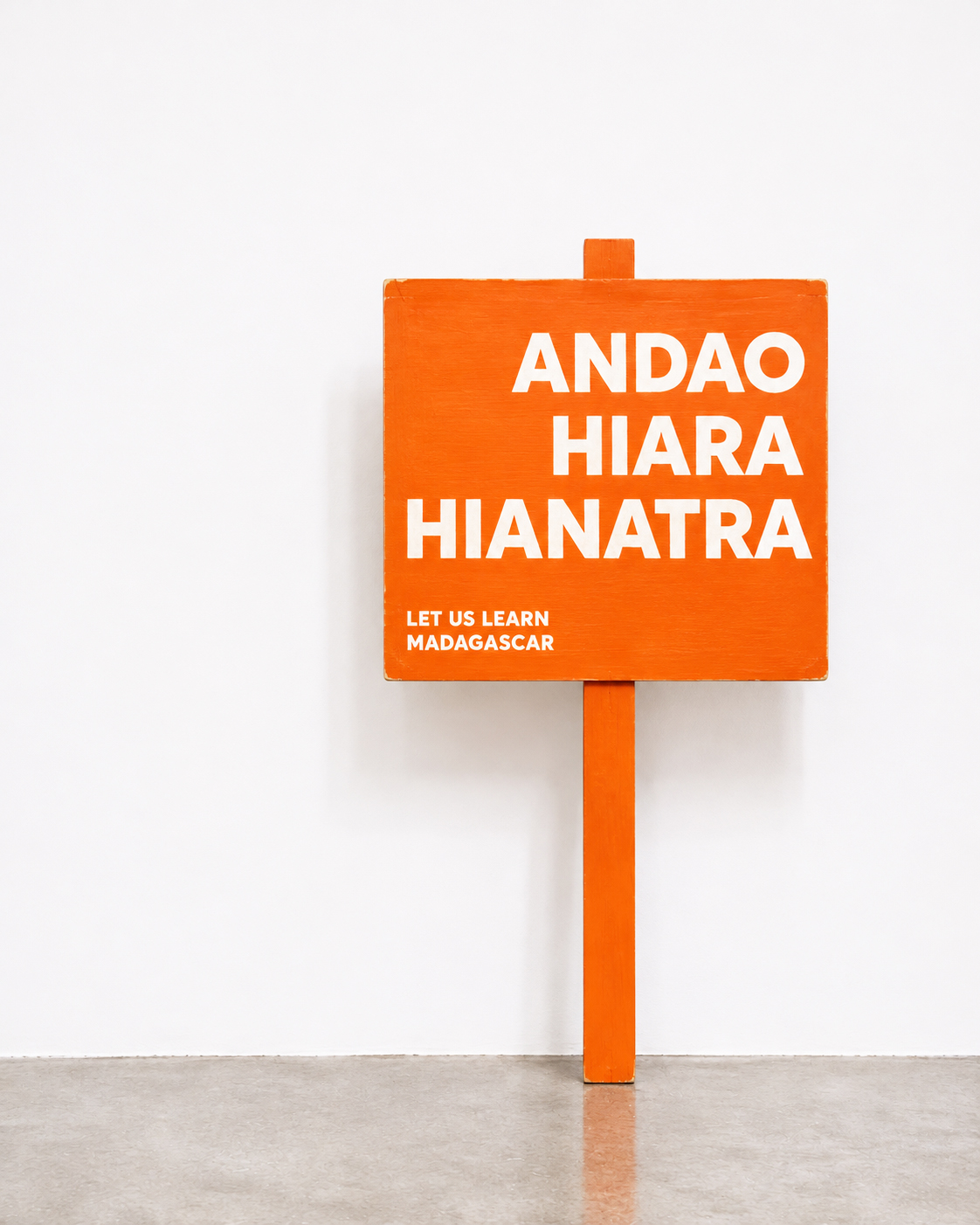
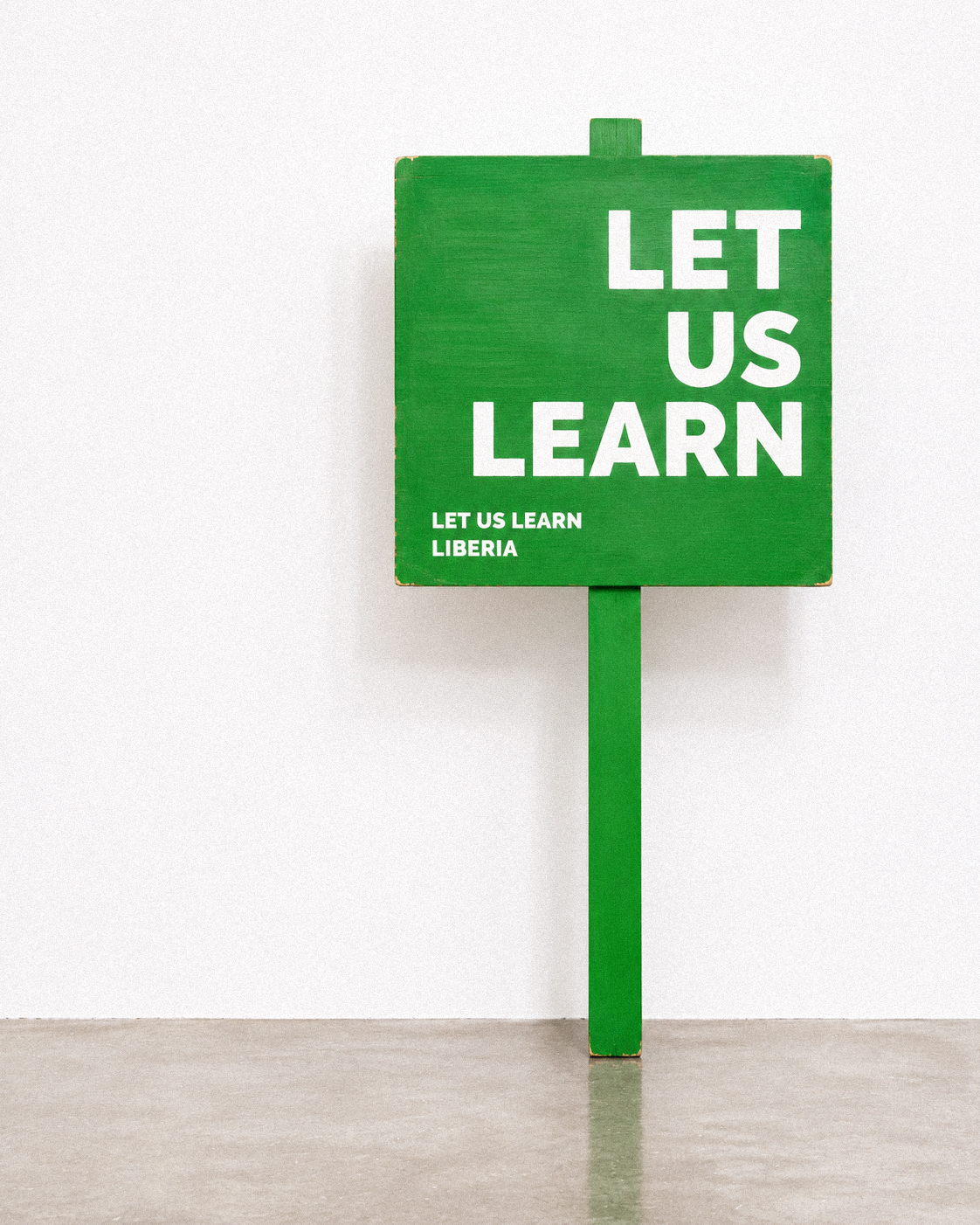
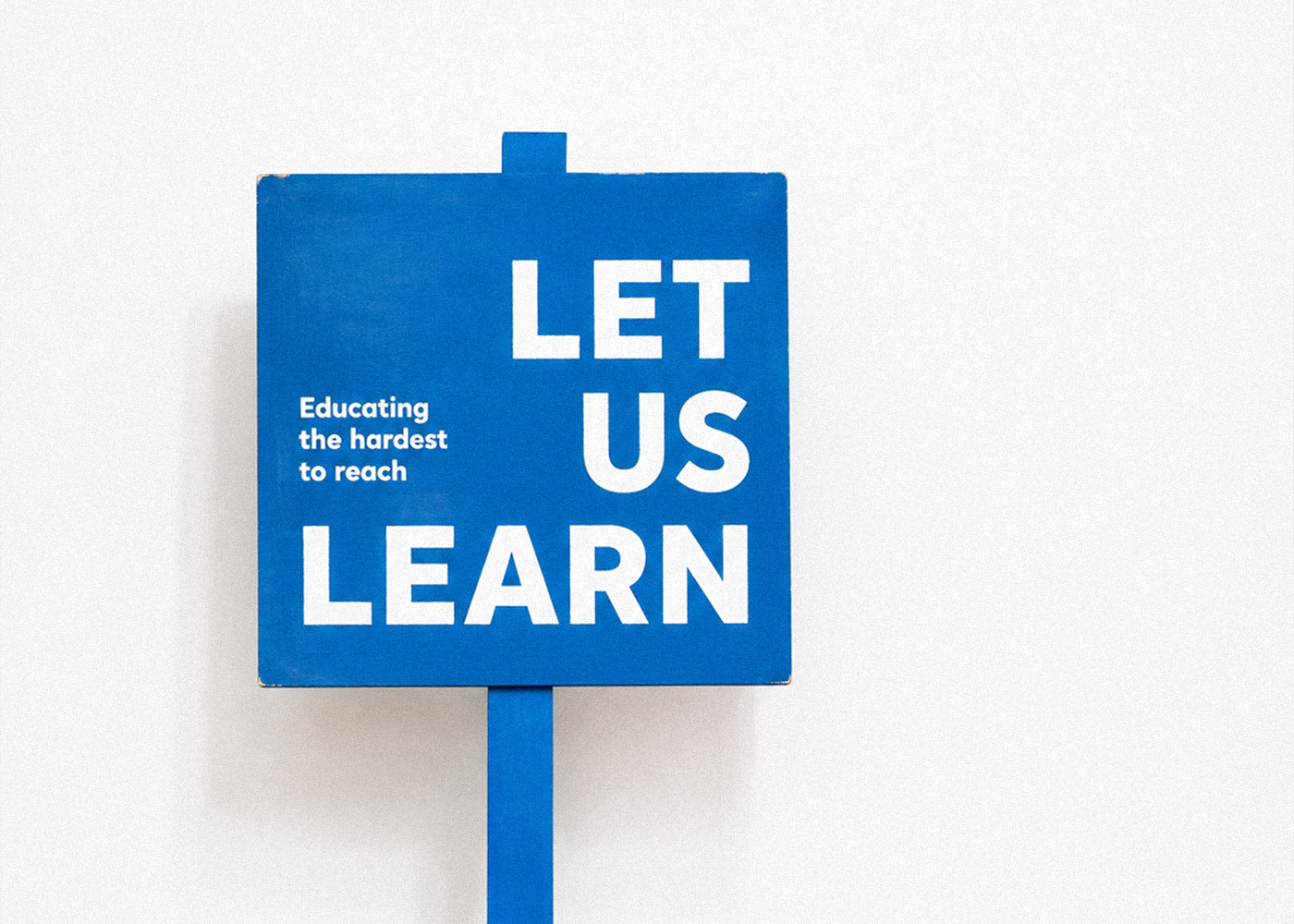
One sign. Many voices.The idea is the pancarte, a plain handheld protest sign. Anyone can carry one, and people everywhere understand what it means. We built the whole platform around it. Afghanistan, Bangladesh, Liberia, Madagascar and Nepal each have their own color, and each writes the message in its own language. In Nepal, the purple sign reads “Let us learn” in Nepali. The form stays the same and the voice is local.
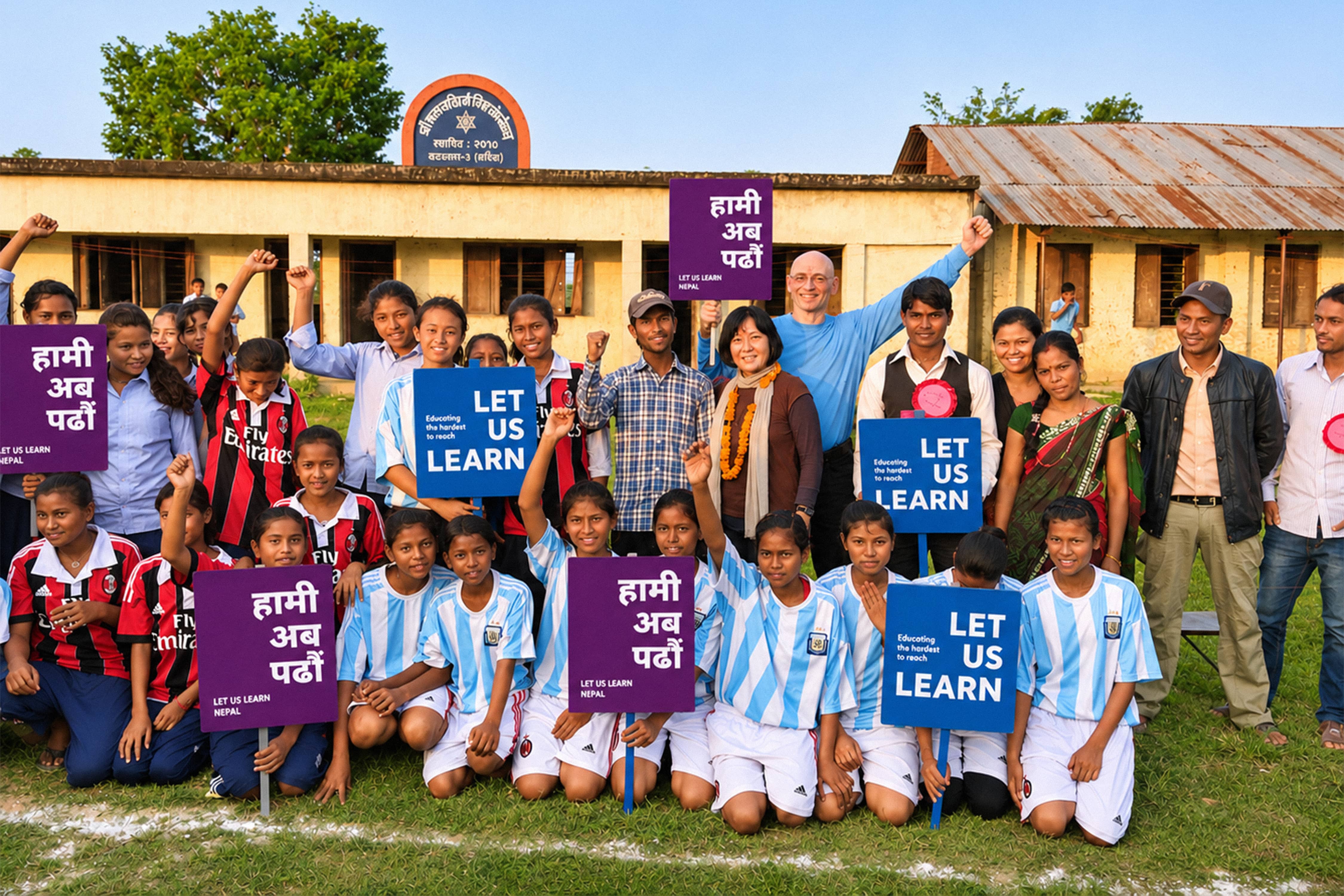
A right, not a privilege. Nearly 58 million children of primary school age are out of school, and half of them live in countries affected by conflict. The sign turns that number into a demand: every child has the right to learn, even in the hardest places on earth. It’s not a charity appeal. It’s a protest on behalf of the children who need it most.
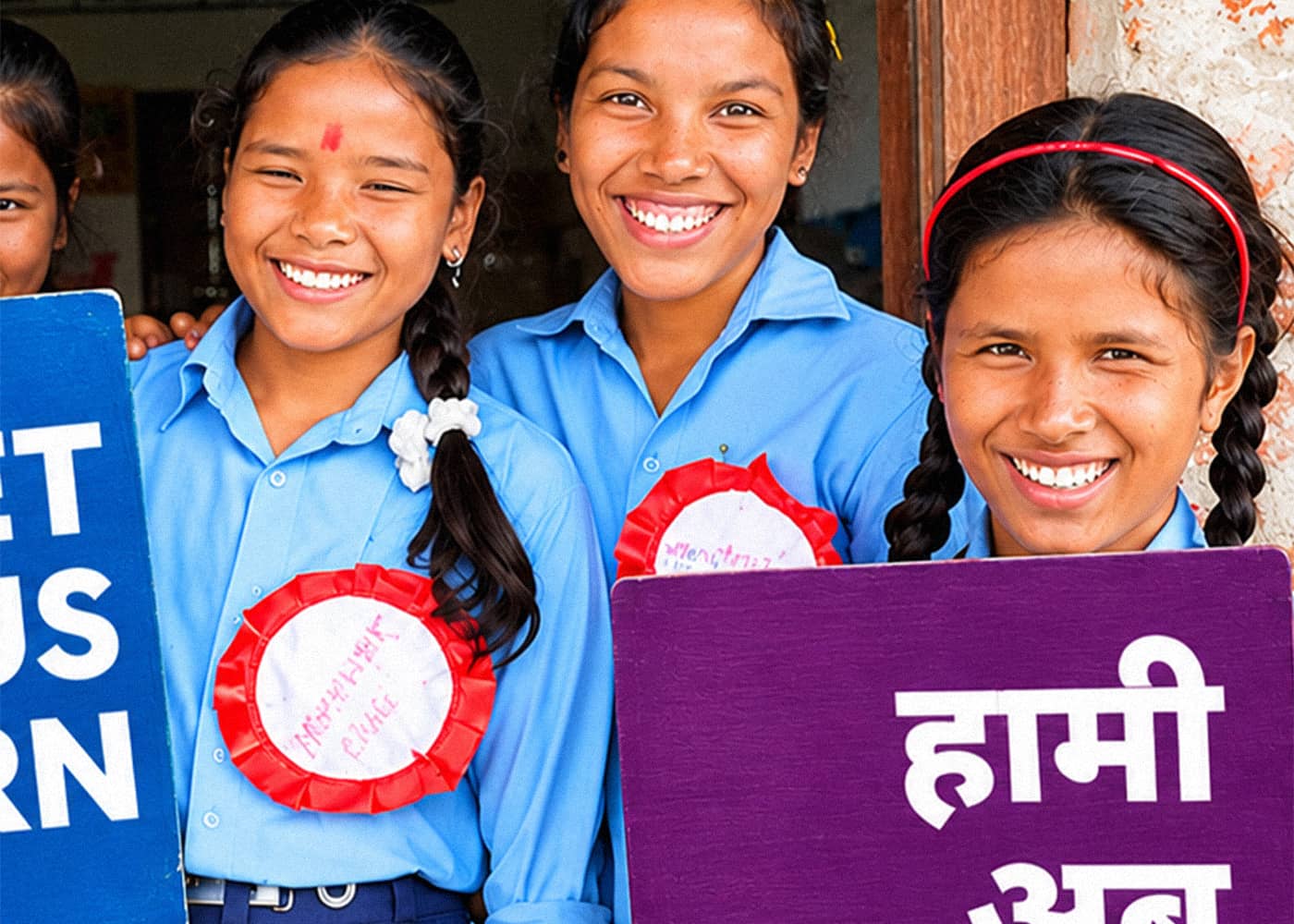
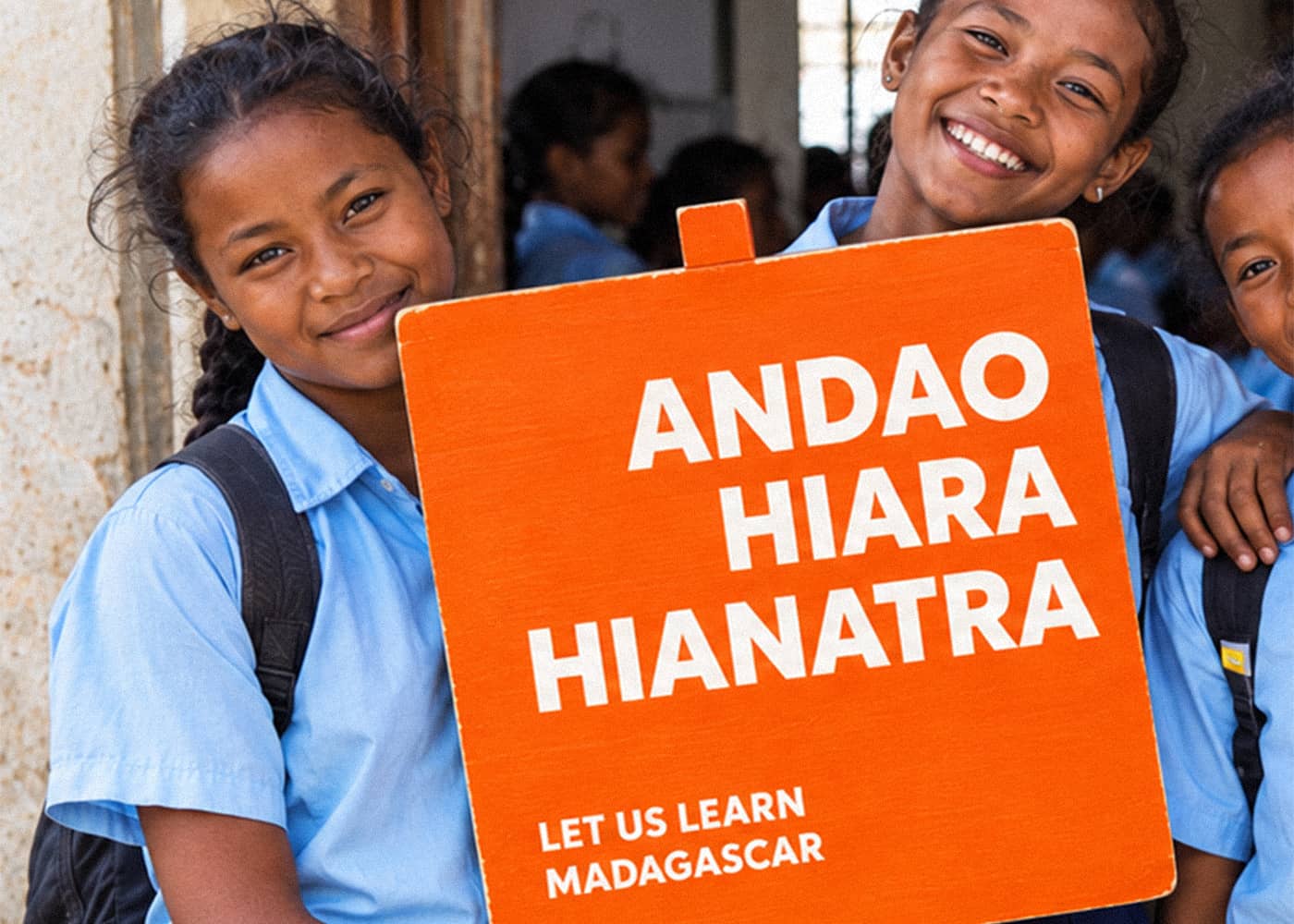

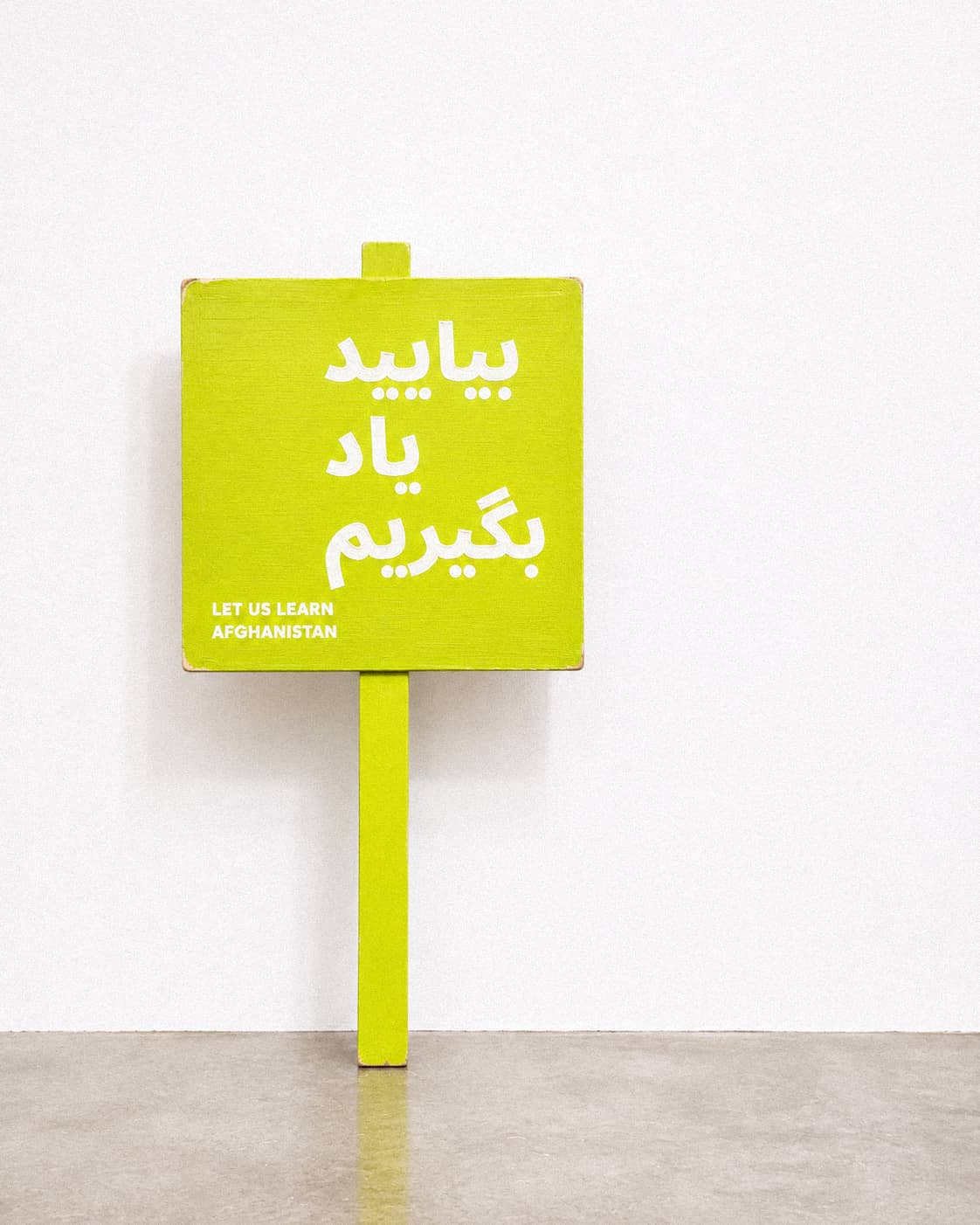
Built to travel. Because the system is so simple, any country office can pick it up and make it its own, from factsheets to film. Let Us Learn has since reached more than 3.6 million out-of-school and vulnerable children. Between 89% and 99% of children in its accelerated learning programmes went straight back into formal school. In Liberia, retention of girls in school rose from 80% to 95%.

Knowledge is power, and I think that is the driving force behind my idea to promote education, because education is the power. [Education] is the basis for everything else. For better hygiene, for knowing about HIV, knowing about basic social skills.
Stefan Findel
Co-founder, UNICEF Let Us Learn